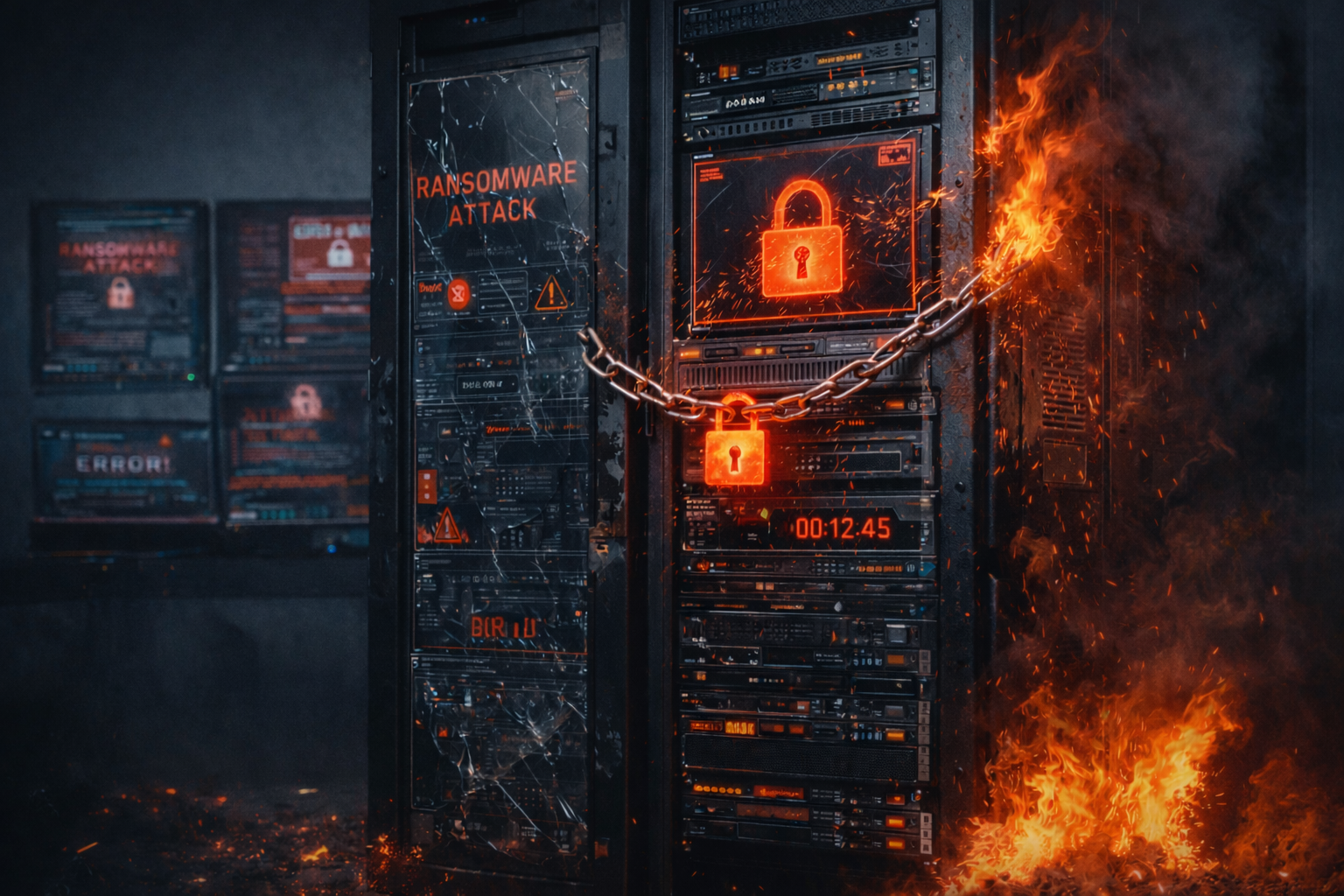

A multinational corporation in the marine industry experienced a severe ransomware attack that encrypted nearly all critical files across its network. With no usable backups and no incident response plan in place, operations were completely disrupted.
SWiZ Technologies was engaged at the peak of the crisis to perform ransomware containment, forensic investigation, and full-scale recovery.
The Situation: Network-Wide Encryption and Zero Backup
When SWiZ arrived:
1. Critical operational data was encrypted
2. No recovery-ready backups existed
3. Malware had spread laterally across departments
4. No containment strategy was implemented
5. Attackers demanded cryptocurrency ransom
Business downtime was escalating rapidly.

Step 1: Immediate Ransomware Containment
To prevent further spread, SWiZ executed emergency containment:
1. Isolated infected endpoints
2. Enforced network segmentation
3. Disabled compromised privileged accounts
4. Stopped lateral movement
Rapid containment prevented further system compromise.

Step 2: Digital Forensics and Root Cause Analysis
Through forensic investigation and endpoint analysis, SWiZ identified the origin of the attack:
A phishing email opened by an employee.
The compromised account had excessive access rights, allowing ransomware to encrypt shared folders and propagate across the network within minutes.

Step 3: Recovery Strategy and Controlled Decryption
Because no backups existed, recovery options were limited.
SWiZ:
1. Managed secure ransom negotiation protocols
2. Verified decryption tools in isolated sandbox environments
3. Validated file restoration integrity
4. Executed phased system-wide decryption
All restoration processes were controlled and monitored to prevent reinfection.

Step 4: Post-Recovery Cybersecurity Hardening
After successful restoration, SWiZ immediately:
1. Implemented encrypted and automated backup systems
2. Deployed advanced endpoint protection
3. Applied least-privilege access control
4. Strengthened network segmentation
5. Conducted phishing awareness training
6. Established continuous monitoring and alerting
The organisation transitioned from reactive recovery to proactive cybersecurity resilience.
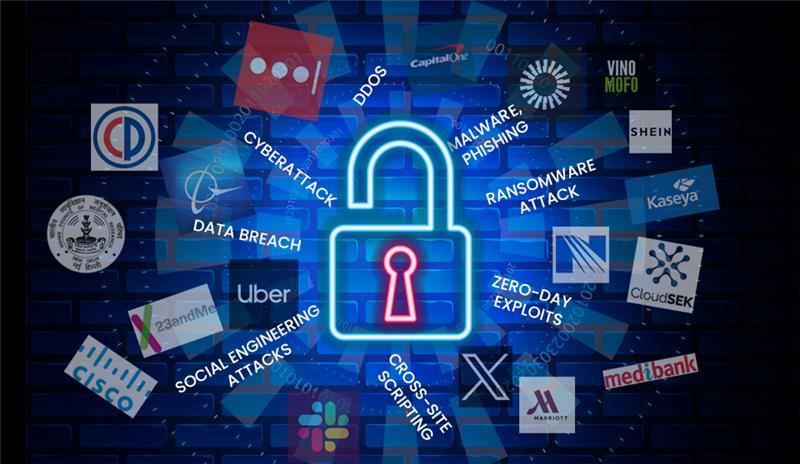
Key Lessons from This Ransomware Incident
This case highlights critical cybersecurity gaps that commonly lead to ransomware damage:
1. Lack of backup validation
2. Excessive user privileges
3. No network segmentation
4. Limited endpoint protection
5. No incident response readiness
Ransomware recovery is possible, but prevention is significantly less costly.
How SWiZ Helps Organisations Prepare for Ransomware
SWiZ provides:
1. Ransomware incident response
2. Digital forensics investigation
3. Network containment strategy
4. Managed backup services
5. Proactive network monitoring
6. Continuous cybersecurity management
We help organisations reduce ransomware risk, minimise downtime, and strengthen long-term resilience.
If your organisation is unsure whether its backup, access control, and monitoring systems are recovery-ready, SWiZ can help assess and strengthen your cybersecurity posture.